Introduction
Bach Baras, also known as Govatsa Dwadashi or Vasu Baras, is a highly auspicious Hindu festival celebrated across India, especially in Maharashtra, Madhya Pradesh, Gujarat, and northern states. This vrat (fast) is observed before Diwali and is deeply connected with the worship of Gau Mata (the sacred cow) and her calf.
The word Bach means “calf” and Baras means “the twelfth day of the lunar fortnight.” Hence, this festival is celebrated on the twelfth day of the Krishna Paksha of Bhadrapada or Ashwin month. Women, especially mothers, observe this vrat with devotion for the long life, health, and prosperity of their children.
Religious Importance
In Hindu scriptures such as the Bhagavata Purana, Vishnu Purana, and Shiv Mahapuran, the cow has been glorified as Kamdhenu – the wish-fulfilling divine cow. She is the mother of all beings, the sustainer of life, and the abode of all gods and goddesses.
- Worshipping Gau Mata on this day is believed to destroy sins and bring prosperity.
- Devotees who perform this vrat are blessed with healthy children and abundant wealth.
- Spiritually, it symbolizes gratitude towards the cow, who nourishes humanity with her milk.
Puja Vidhi (Step-by-Step Worship)
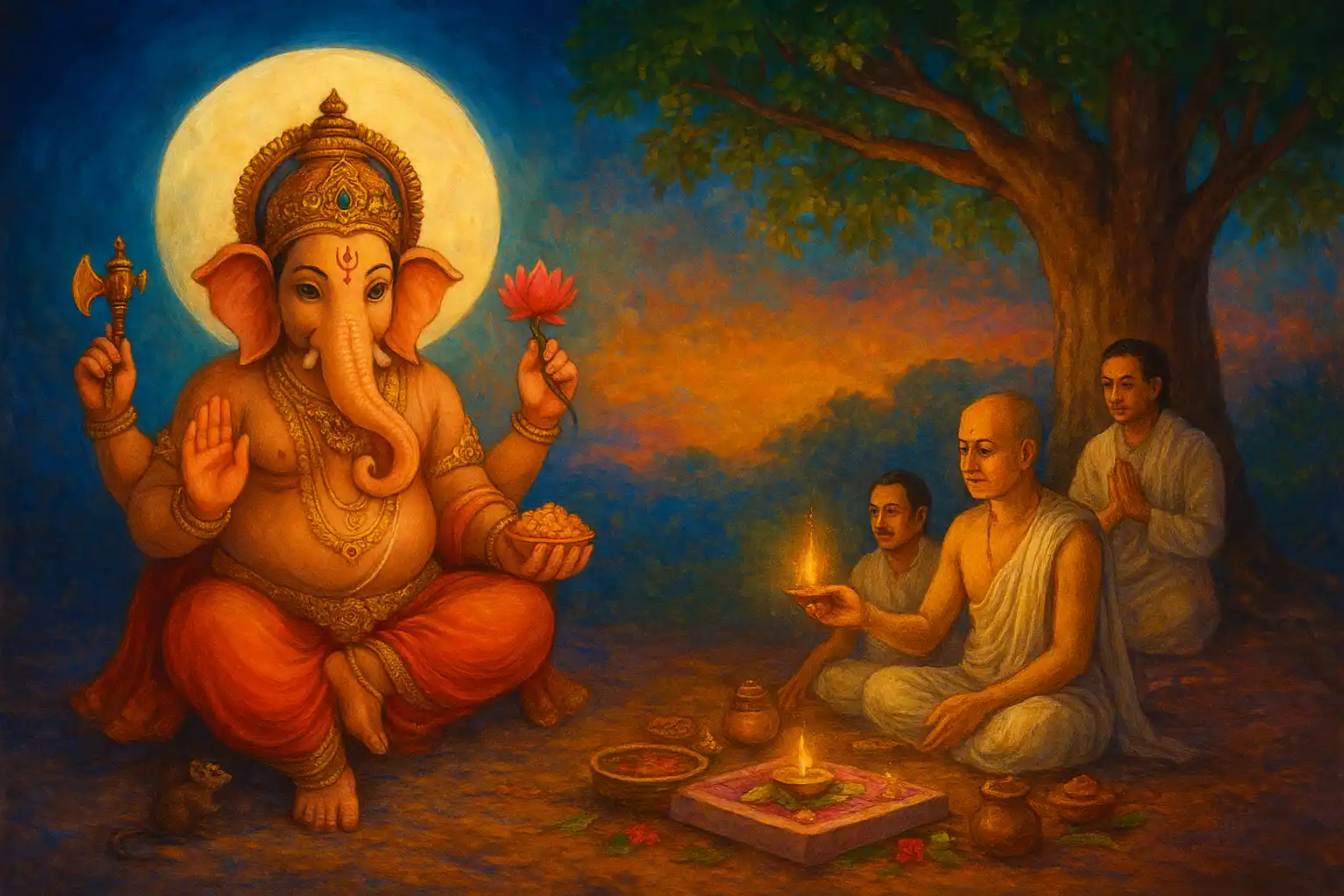
- Morning Rituals – Wake up early, take a holy bath, and wear clean clothes.
- Prepare the Puja Space – Clean the altar and place an image or idol of a cow and calf. In villages, devotees often worship a real cow with her calf.
- Decoration – Apply turmeric and kumkum on the cow, decorate with flowers and colorful cloth.
- Offerings – Present water, rice (akshat), sesame seeds, turmeric, and flowers.
- Feeding the Cow – Offer green grass, sprouted grains, bajra roti, and jaggery.
- Recitation of Vrat Katha – Listen to or narrate the Bach Baras vrat katha.
- Aarti & Prayers – Perform Gau Mata aarti and seek blessings for the well-being of children.
Vrat Rules
- The vrat is mainly observed by married women and mothers.
- On this day, devotees avoid milk, curd, ghee, butter, and wheat.
- Special food like bajra roti with vegetables and sprouts is consumed after puja.
- Women maintain strict fasting discipline and pray for their children’s longevity and prosperity.
Association with Lord Krishna
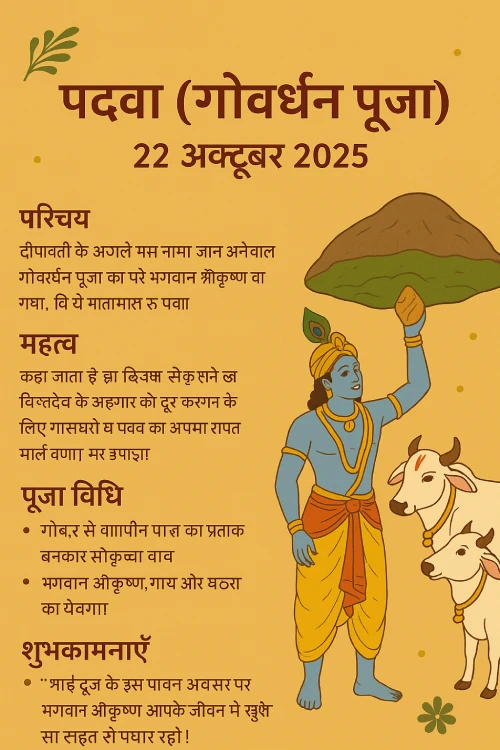
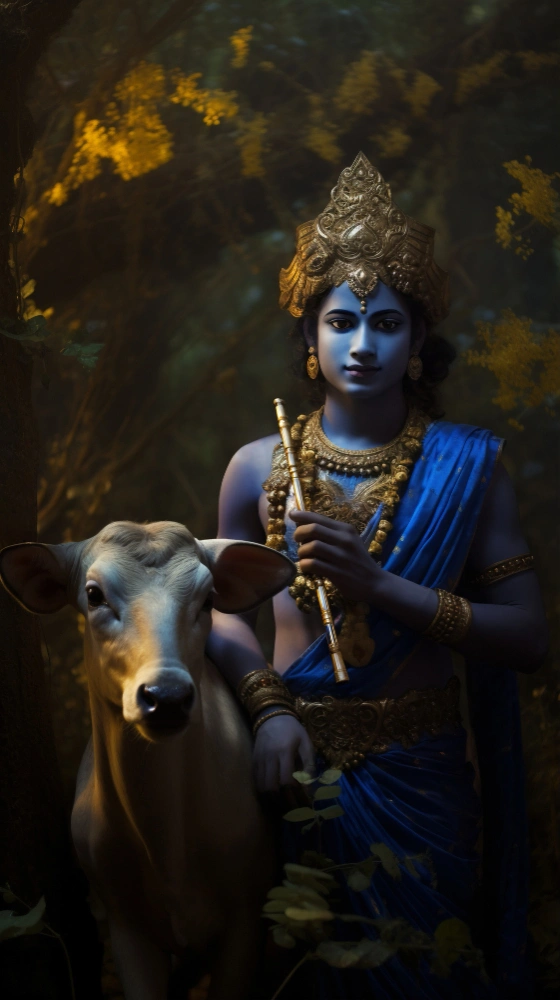
The festival of Bach Baras has a deep connection with Lord Krishna, who is also known as Gopala (protector of cows). In his childhood at Vrindavan, Krishna spent his days herding cows and playing the flute amidst the herds.
Worshipping Gau Mata on this day is considered equivalent to worshipping Lord Krishna himself. It is believed that Krishna blesses his devotees with happiness, prosperity, and protection from all evils.
Spiritual Message
Beyond rituals, Bach Baras teaches us the values of compassion, gratitude, and harmony with nature. The cow is not just a sacred animal in Hinduism but also a symbol of nourishment, selflessness, and motherhood.
- It reminds us to respect all living beings.
- It strengthens the spiritual bond between humans, animals, and divinity.
- It encourages living a life of dharma (righteousness) and seva (service).
Conclusion
Bach Baras (Govatsa Dwadashi) is not only a religious vrat but also a celebration of motherhood and gratitude towards Gau Mata. By observing this vrat, women pray for the well-being of their children, family prosperity, and divine blessings.
This festival beautifully reflects the eternal bond between humans, nature, and God, reminding us that true devotion lies in compassion, respect, and selfless service.